Industries We Support

Manufacturing Execution in China from Technical Approval to Serial Production

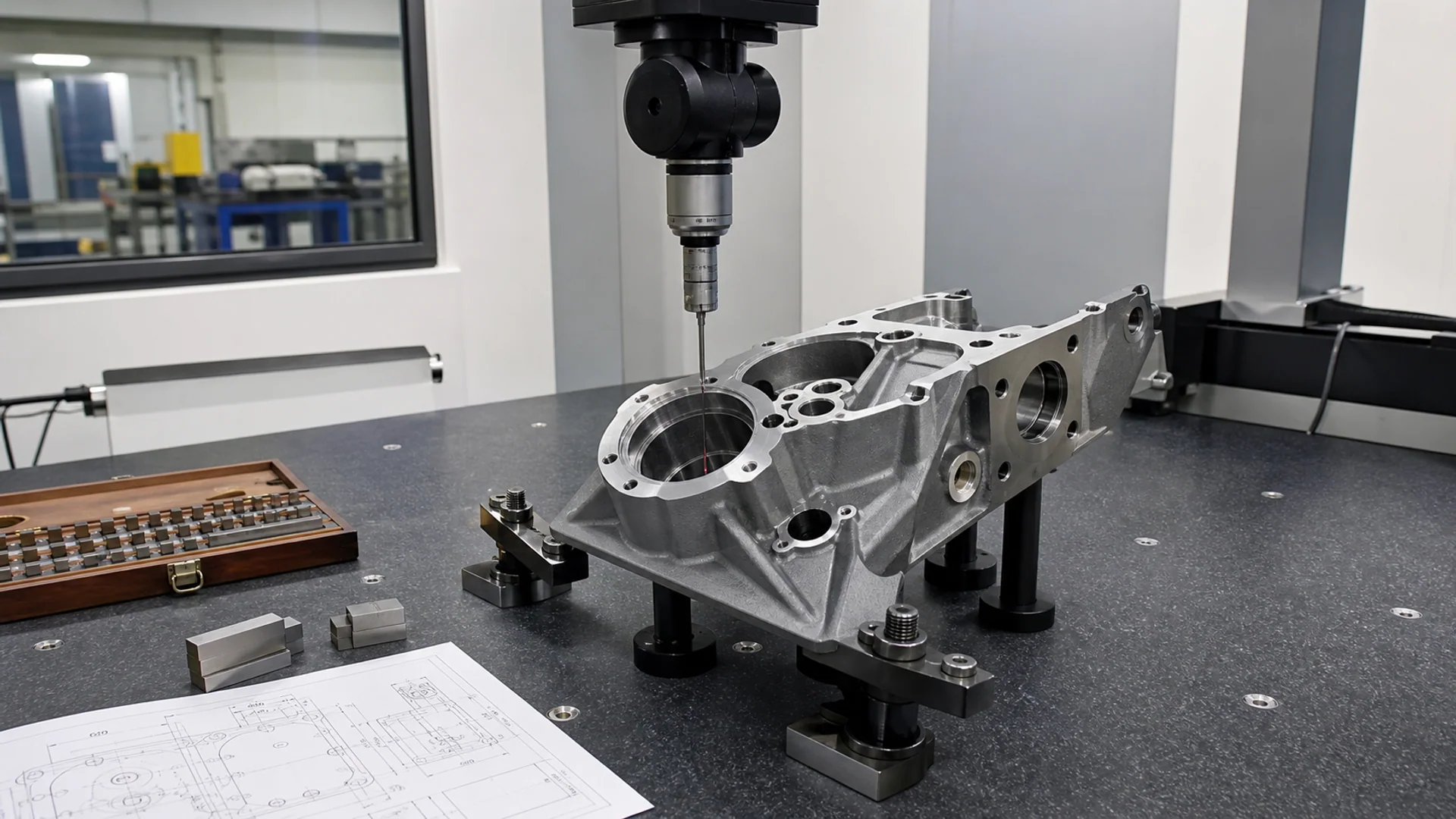
Automotive, rail and transportation parts require disciplined control of technical revision, tooling, repeatability, special processes, traceability and production change. Morning Sunlight follows the agreed route from supplier assessment and sample verification into serial production. Automotive methods such as APQP, PPAP, Control Plan and Measurement System Analysis are applied only when the customer or project requires them. Safety-critical rail and transportation parts are evaluated individually. Supplier qualifications, inspection records and approved changes remain linked to the applicable customer requirement at each release stage.

Manufacturing Execution in China from Technical Approval to Serial Production

Industries We Support

Typical Procurement Scope

Representative objects are shown below. Final scope is confirmed against the drawing, specification and application.

01Machined housings
02Shafts and gears
03Hubs and brackets
04Stampings
05Sheet-metal covers
06Weldments
07Cast and forged blanks
08Fasteners
09Tooling and gauges
10Aftermarket spares
11Mechanical assemblies
12Serial-production parts

Typical Manufacturing Route

Typical Manufacturing Route

The route is established before quotation so interfaces, evidence and responsibility do not become disconnected between suppliers.

  1. 01Technical revision
  2. 02Tooling and process planning
  3. 03Material and blank control
  4. 04Sample or first article
  5. 05Process validation
  6. 06Serial production
  7. 07Change control
  8. 08Final release
Automotive, Rail & Transportation — Material and blank control
Automotive, Rail & Transportation — Critical Control Points

Critical Control Points

Critical Control Points

Controls are tied to the application. Each item states what is checked, why it matters and what evidence should remain available.

Automotive Applications

Focus on drawing revision, special characteristics, material and batch traceability, tooling and gauges, process stability and repeatability. APQP, PPAP, Control Plan, process capability and Measurement System Analysis apply only when explicitly required by the customer or project.

Rail and Transportation Applications

Focus on supplier qualification, first-article inspection, welding and special processes, traceability, production changes, inspection records and final approval. Safety-critical parts must be evaluated individually.

01

Drawing revision and special characteristics

WhatVerify the latest drawing, engineering changes, special-characteristic markings and linked controls.

WhyLoss of revision or characteristic control can create batch deviations, functional risk and incorrect release.

EvidenceControlled drawings, engineering changes, special-characteristic lists and approvals.

02

Material, batch and traceability

WhatConfirm continuous traceability between material, part batch, process movement and finished-part marking.

WhyA broken chain prevents isolation, root-cause analysis and definition of any recall scope.

EvidenceMaterial certificates, batch registers, travellers, marking photographs and finished-part trace records.

03

Tooling, dies and gauges

WhatCheck identification, condition, calibration, maintenance and revision applicability of tooling, dies and gauges.

WhyWear, loss of accuracy or a wrong revision can repeat the same defect across a batch.

EvidenceTooling registers, calibration or confirmation records, maintenance records and first-piece results.

04

First article and process stability

WhatReview first-article results, key parameters, sampling frequency and stability or repeatability in production.

WhyOne conforming part does not prove a stable process; drift can create concentrated downstream defects.

EvidenceFirst-article reports, control records, trend data, capability or sampling results as required.

05

Welding and other special processes

WhatVerify supplier capability, personnel, equipment, parameters, materials and approvals for each special process.

WhySpecial-process results cannot normally be fully verified by final dimensional inspection alone.

EvidenceApplicable process documents, personnel or equipment qualifications, batch records and validation results.

06

Production change and release

WhatConfirm approval of changes to material, process, tooling, supplier, location or inspection method.

WhyAn uncontrolled change can invalidate the original first-article, PPAP or validation conclusion.

EvidenceChange requests, impact assessments, revalidation or approval documents and final release records.

Work We Are Responsible For

Work We Are Responsible For

The sequence remains visible while the inspection depth, qualifications and evidence are defined for the actual project.

01

Requirement and Drawing Review

02

Supplier Search or Existing Supplier Assessment

03

Manufacturing Route and Quotation Review

04

Technical Clarification and Scope Confirmation

05

Sample or First-Article Verification

06

Production Milestone and Quality Execution

07

Nonconformance Handling and Corrective Action

08

Release Readiness and Delivery Preparation

Where This Model Fits

Suitable starting situations for this industry application.

  • Automotive parts with defined customer quality methods
  • Rail and transport parts requiring first-article control
  • Repeat or serial production with controlled change

What to Provide

Initial non-confidential information needed for a useful review.

  • Current drawing and revision status
  • Material, process and performance requirements
  • Expected quantity and repeat-order outlook
  • Target schedule and delivery destination
  • Known supplier, quotation or sample information
  • Inspection, documentation and qualification requirements

Qualifications and Responsibility Note

Morning Sunlight can implement PPAP, first-article inspection and customer quality requirements when specified. We do not claim IATF 16949, ISO 22163 or rail-vehicle manufacturing certification. Safety-critical parts require case-by-case evaluation.

Start with the requirement, drawing or existing supplier.

We will review the manufacturing route, supplier situation, required evidence and responsibility boundary before confirming the working scope.

Submit Your Requirements