
INSIGHTS
Practical guidance for industrial
procurement in China.
Field guidance across on-site work, manufacturing technology and market trends for industrial procurement teams working with China-side suppliers.
On-the-Ground Procurement Execution
Practical field methods for supplier review, production follow-up, quality evidence, issue handling and factory release.

How to Verify a Chinese Industrial Supplier Beyond Company Documents
A supplier can be legally registered, hold a recognised quality-management certificate and respond professionally to an enquiry—and still be the wrong production source for a particular component.
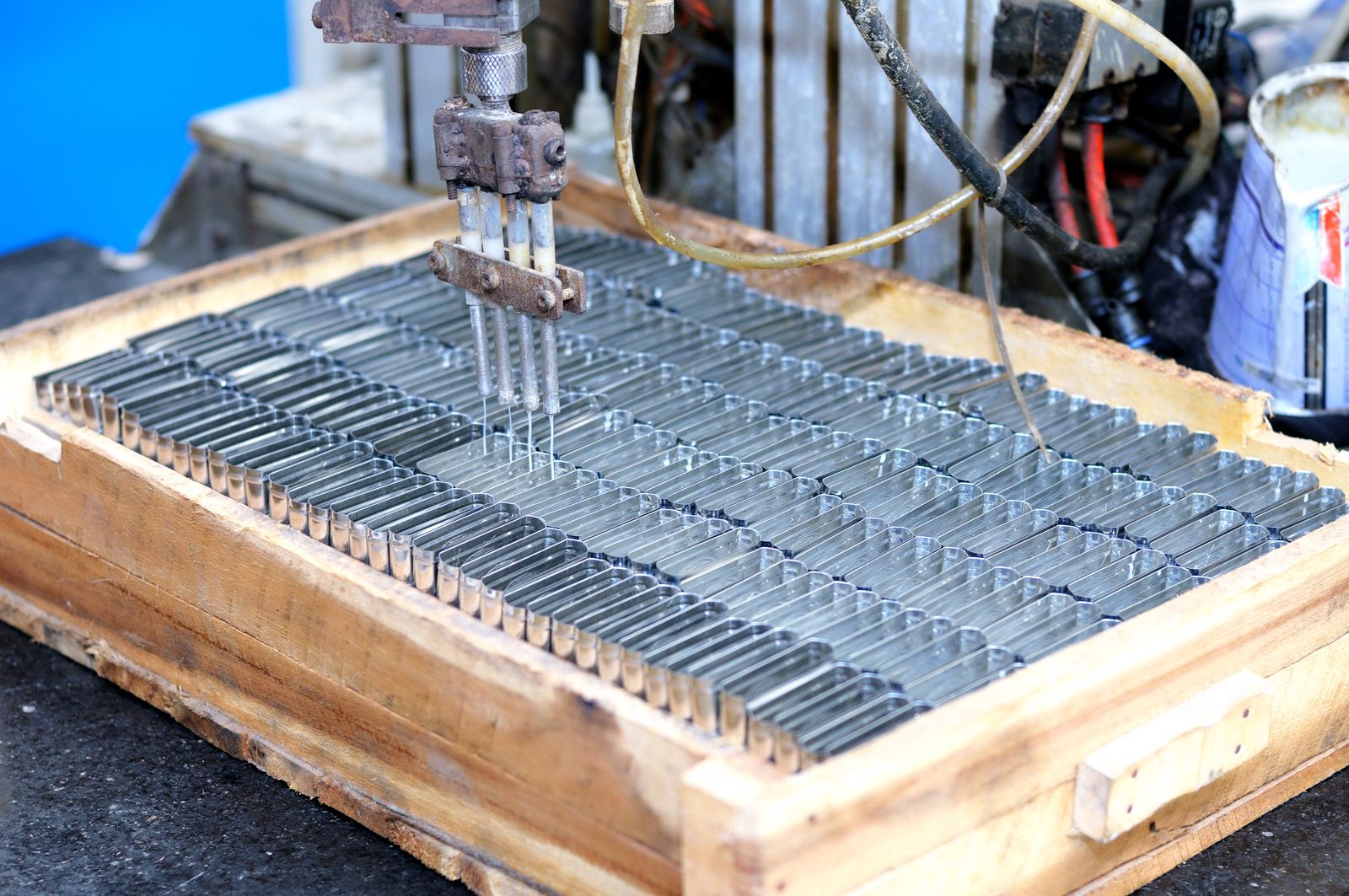
Approved Sample vs. Mass Production: What Buyers Still Need to Control
An approved sample is an important decision point, but it is often asked to carry more meaning than it can support.

Why the Lowest Unit Price May Not Be the Lowest Procurement Cost
The lowest number in a quotation table is easy to identify.

How to Add On-the-Ground Control Without Replacing Existing China Suppliers
Overseas manufacturers often already have suppliers in China.
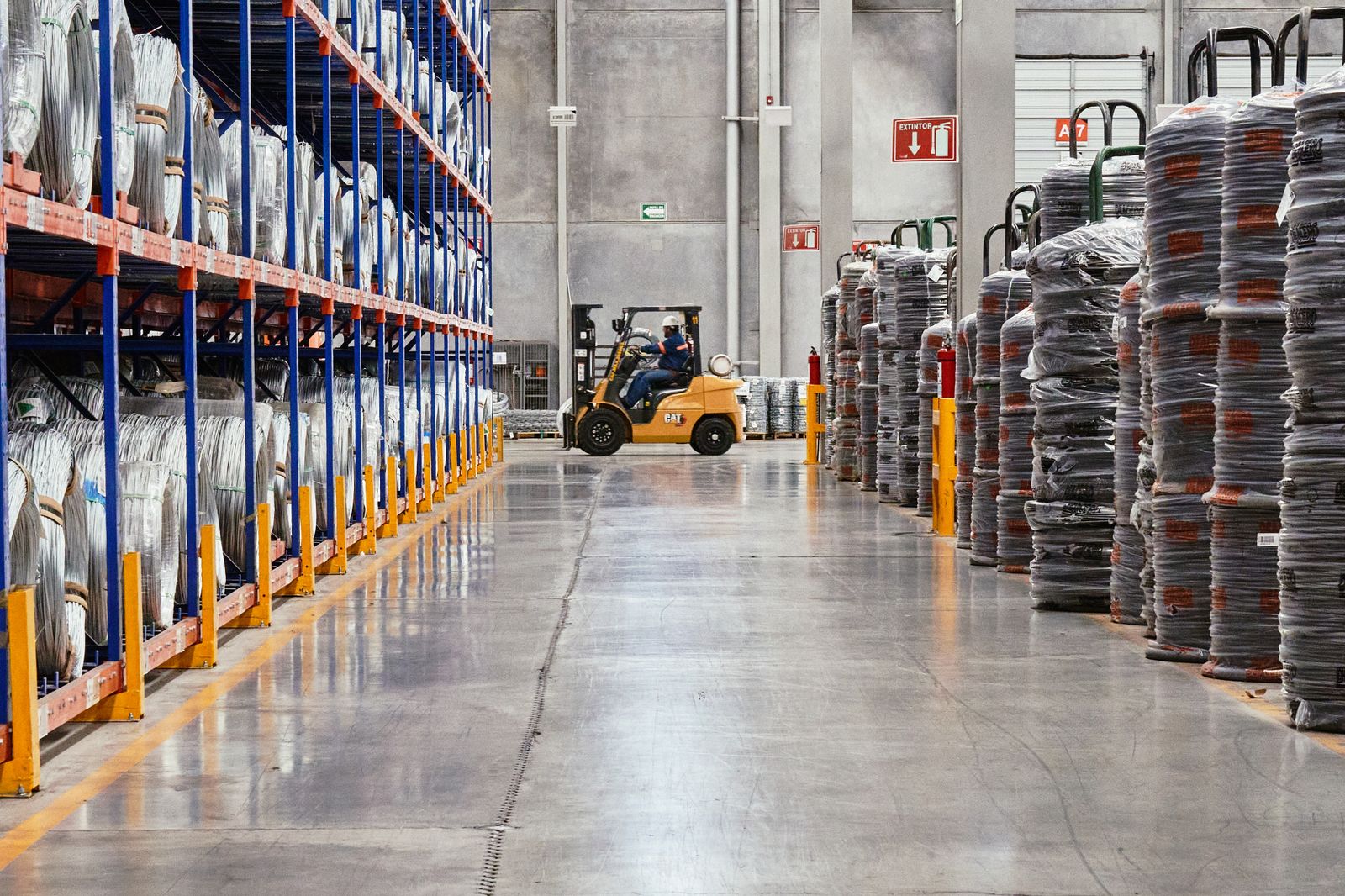
When Is a Second Source Actually Ready for Production?
A second supplier name in a database can create a reassuring impression of resilience.

Drawing Revision Control: How to Prevent Suppliers from Making the Wrong Version
When a supplier manufactures an obsolete drawing revision, the immediate explanation is often "the new file was sent" or "the workshop used the old copy".
Technical Procurement Guide
Process-focused guidance for defining, quoting, validating and controlling industrial manufacturing requirements.
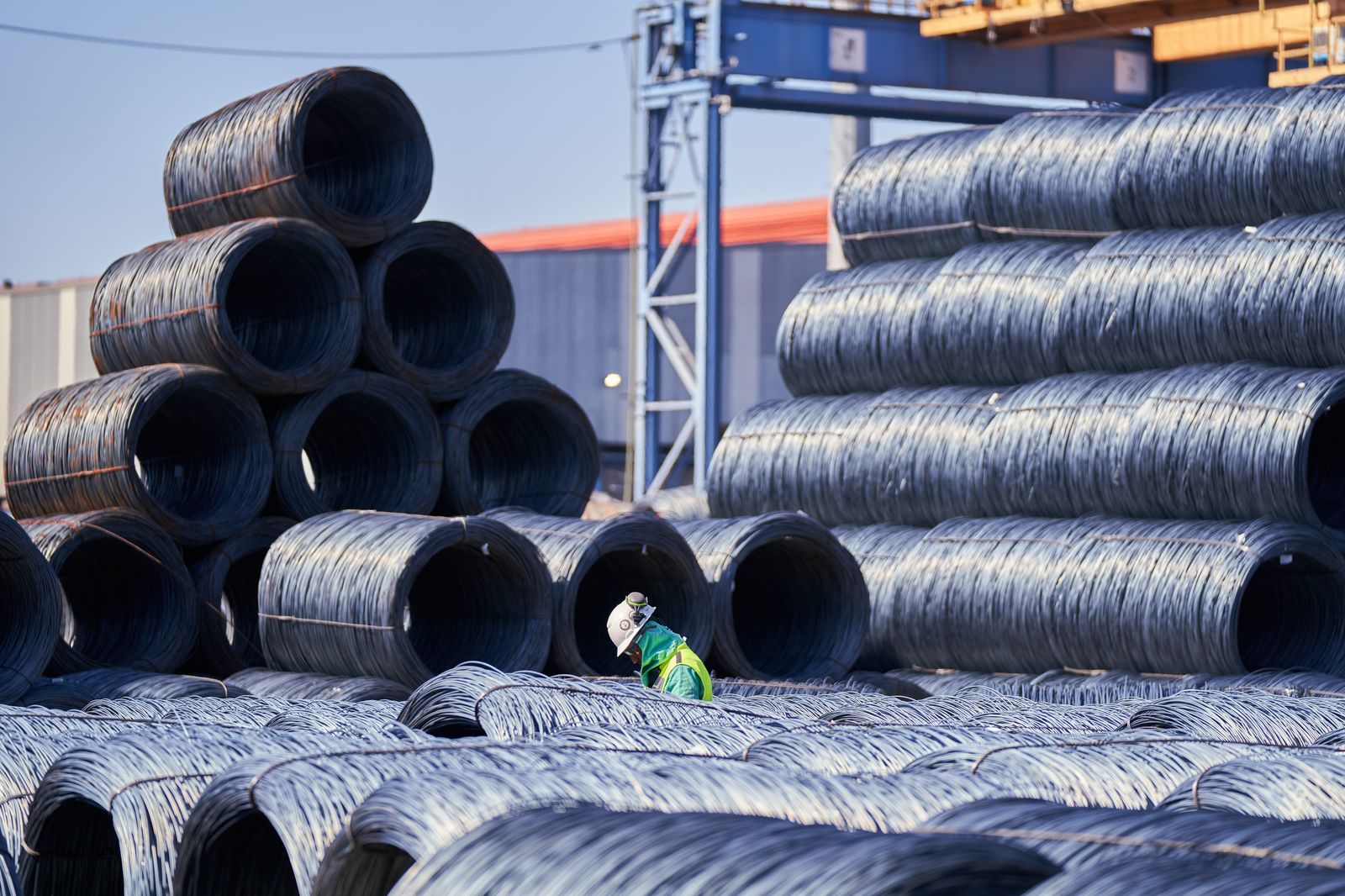
How to Specify Materials and Verify Certificates for Custom Metal Parts
A material certificate can look convincing and still fail to answer the buyer's most important question: does this document provide relevant evidence for the material from which these parts were made?
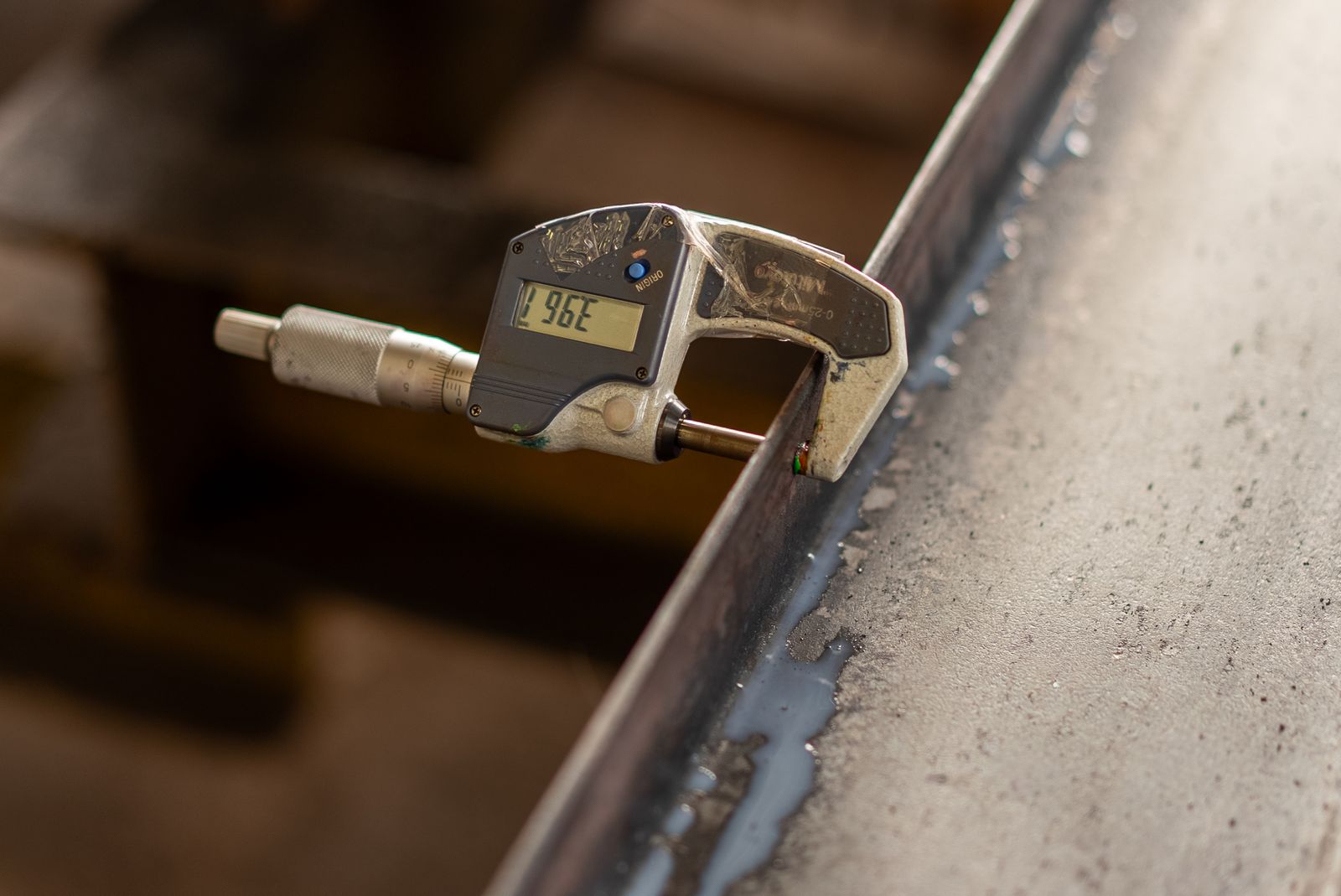
How to Align CNC Tolerances with the Inspection Method Before Quotation
Two suppliers can read the same tolerance and price two different jobs.
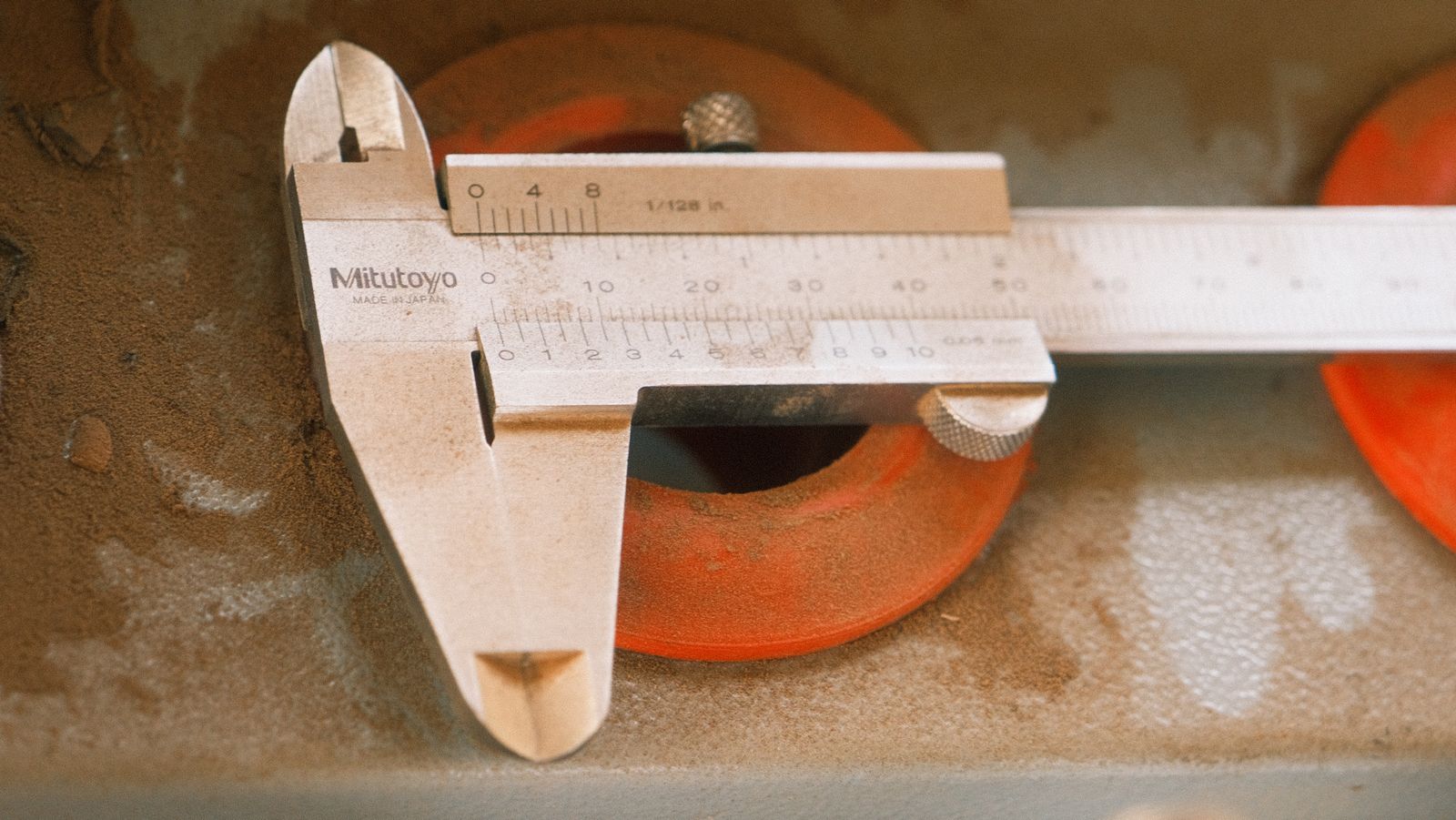
What a First Article Inspection Should Confirm Before Production
A good sample can prove that one acceptable part was made.
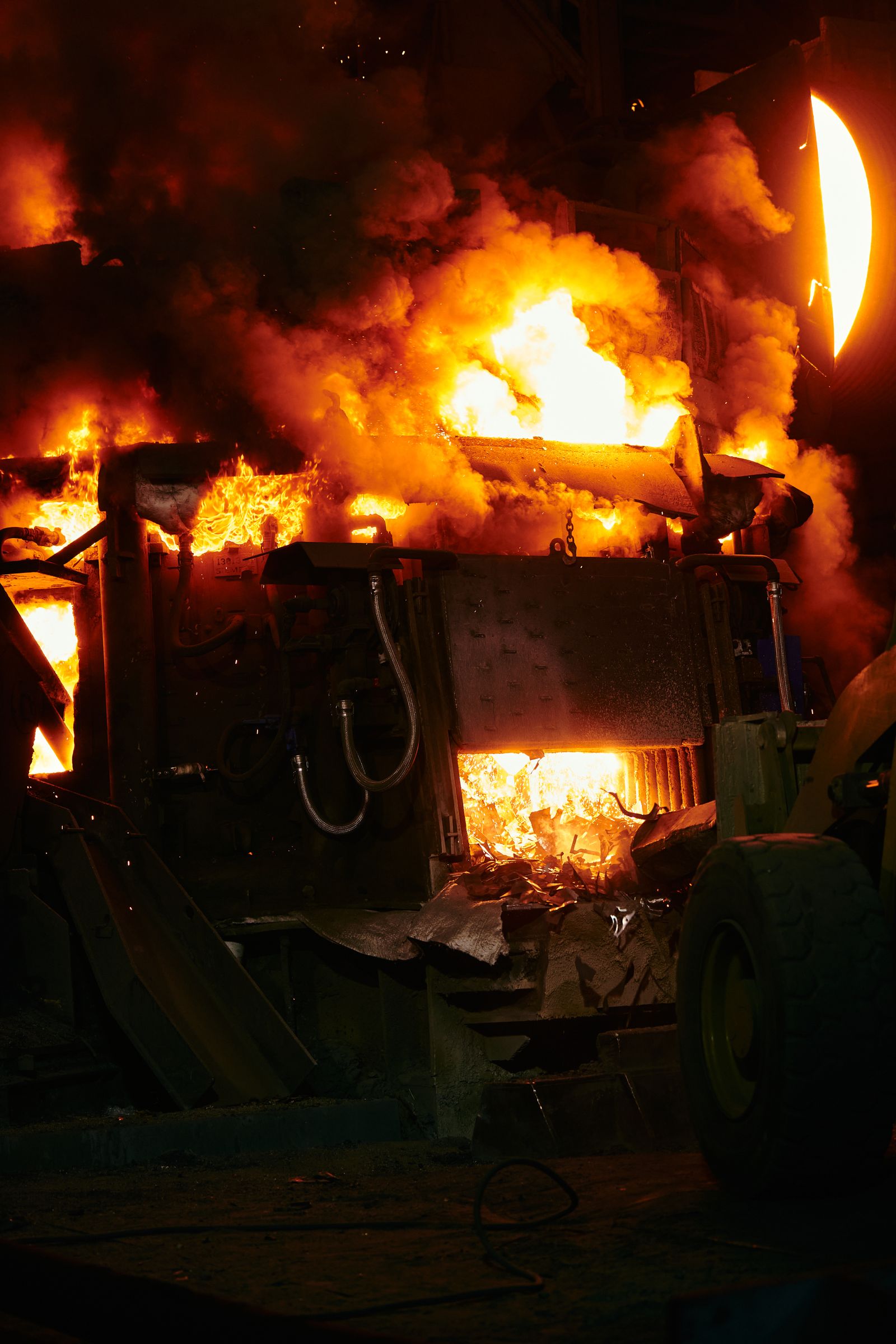
How to Specify Heat-Treatment Requirements Without Leaving Critical Gaps
Heat treatment is often purchased as a short drawing note but executed as a chain of decisions: starting material, pre-machining condition, furnace route, loading, atmosphere, quench, temper, straightening, cleaning, hardness testing and final inspection.
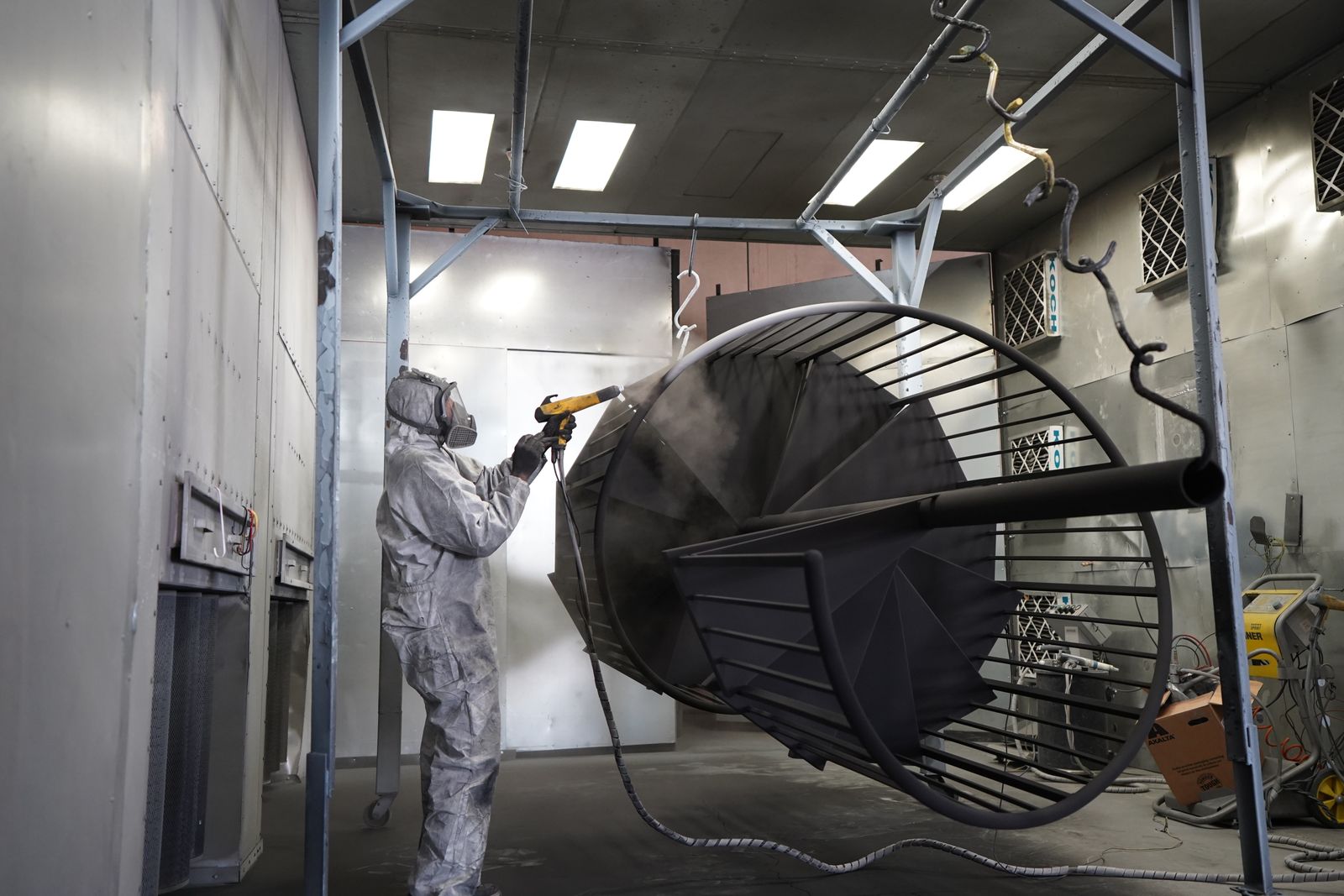
What Buyers Must Define Before Ordering Surface-Finished Metal Parts
Surface finishing sits at the end of many manufacturing routes, but its quality is determined much earlier.
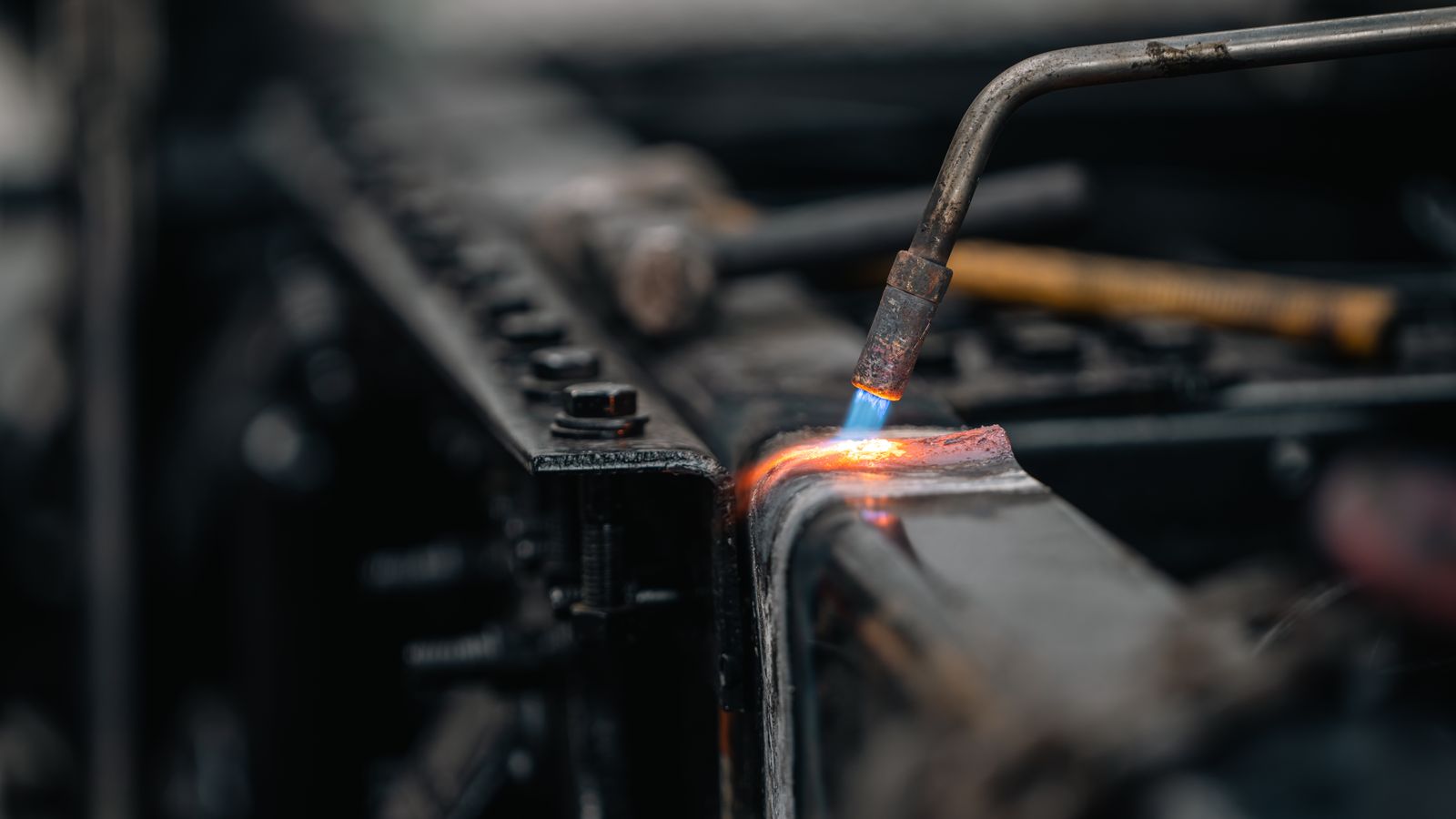
How to Control Quality Across Multi-Process Manufacturing Handoffs
A machined part may pass dimensional inspection and still fail after heat treatment, coating or assembly.
Market, Regulatory or Trend Update
Current regulatory and supply-chain developments that may change industrial procurement decisions and evidence requirements.
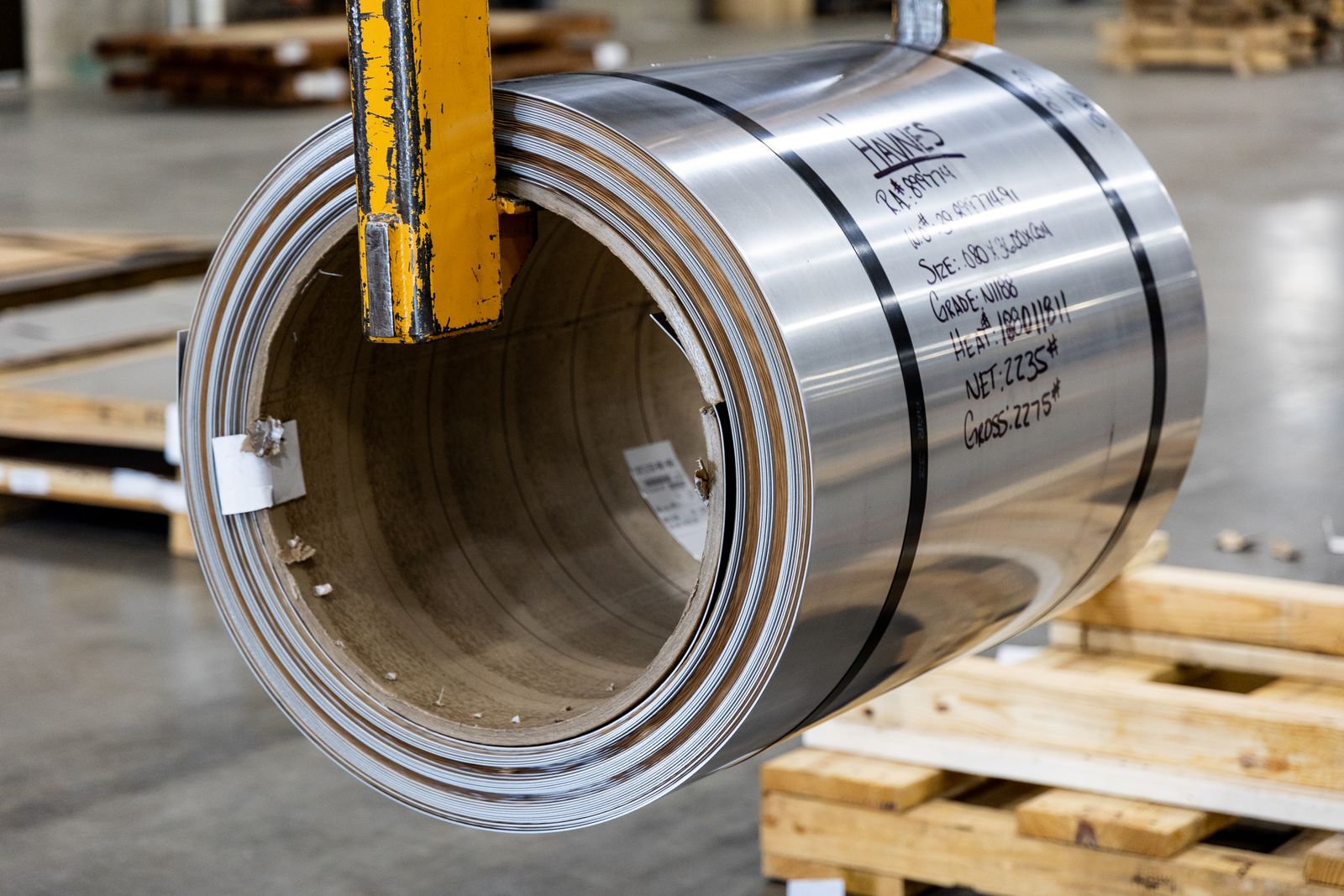
EU CBAM in 2026: What Importers Need from Chinese Iron, Steel and Aluminium Suppliers
CBAM changes an EU importer's information needs before it necessarily changes the physical product.

EU Forced Labour Regulation: What Industrial Buyers Should Prepare Before 2027
Forced-labour risk cannot be managed effectively through a one-page promise that says “our supply chain is compliant”.

Digital Product Passports: What Industrial Buyers Should Start Collecting from Suppliers
The Digital Product Passport is often discussed as if every product will soon carry the same QR code and disclose the same information.
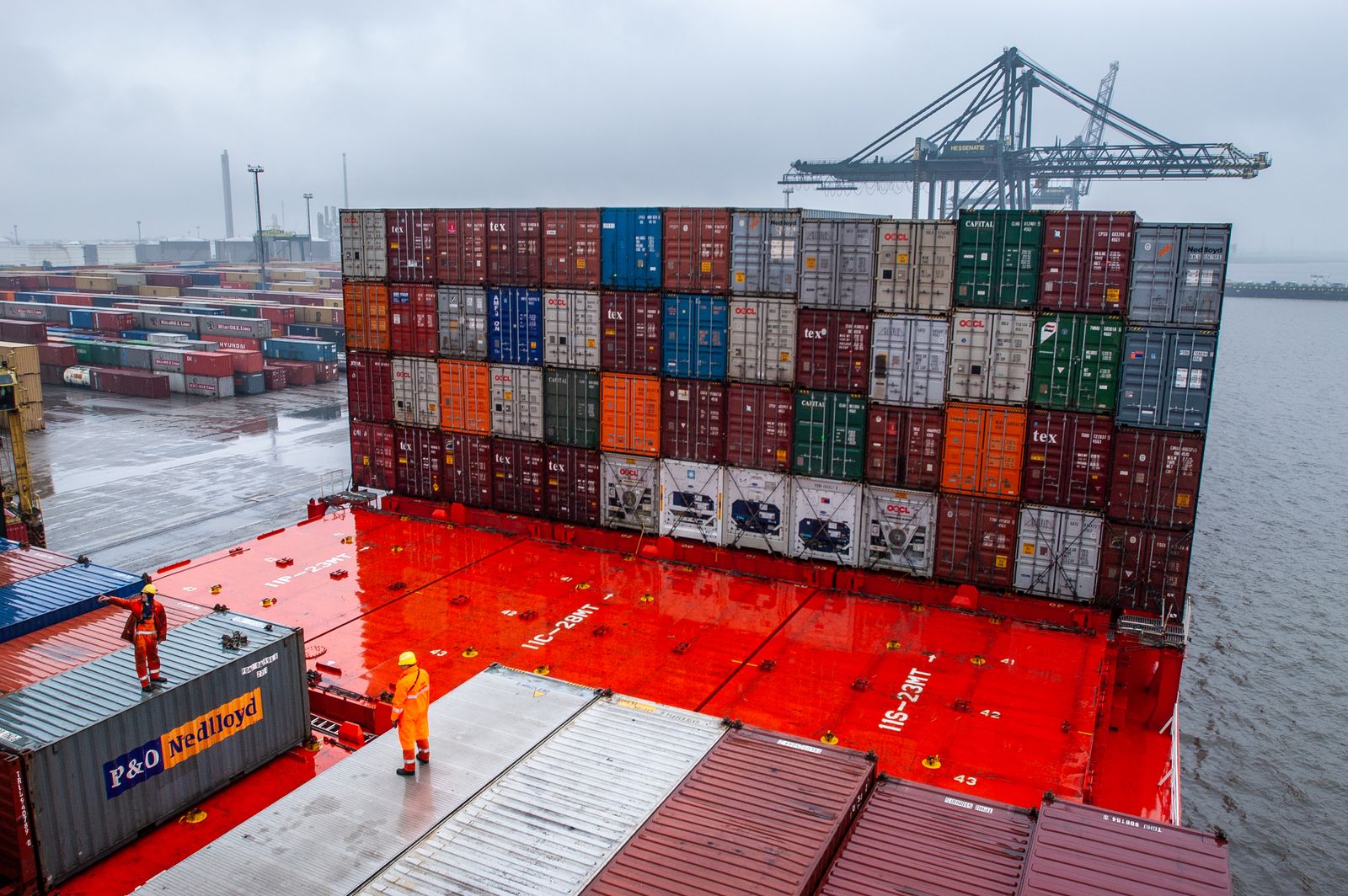
China's Dual-Use Export Controls: What Overseas Industrial Buyers Need to Clarify
Many industrial goods have both civilian and controlled applications.

UFLPA Supply-Chain Documentation: What U.S. Industrial Importers Need from Suppliers
Industrial buyers often discover traceability gaps only after a shipment is questioned.
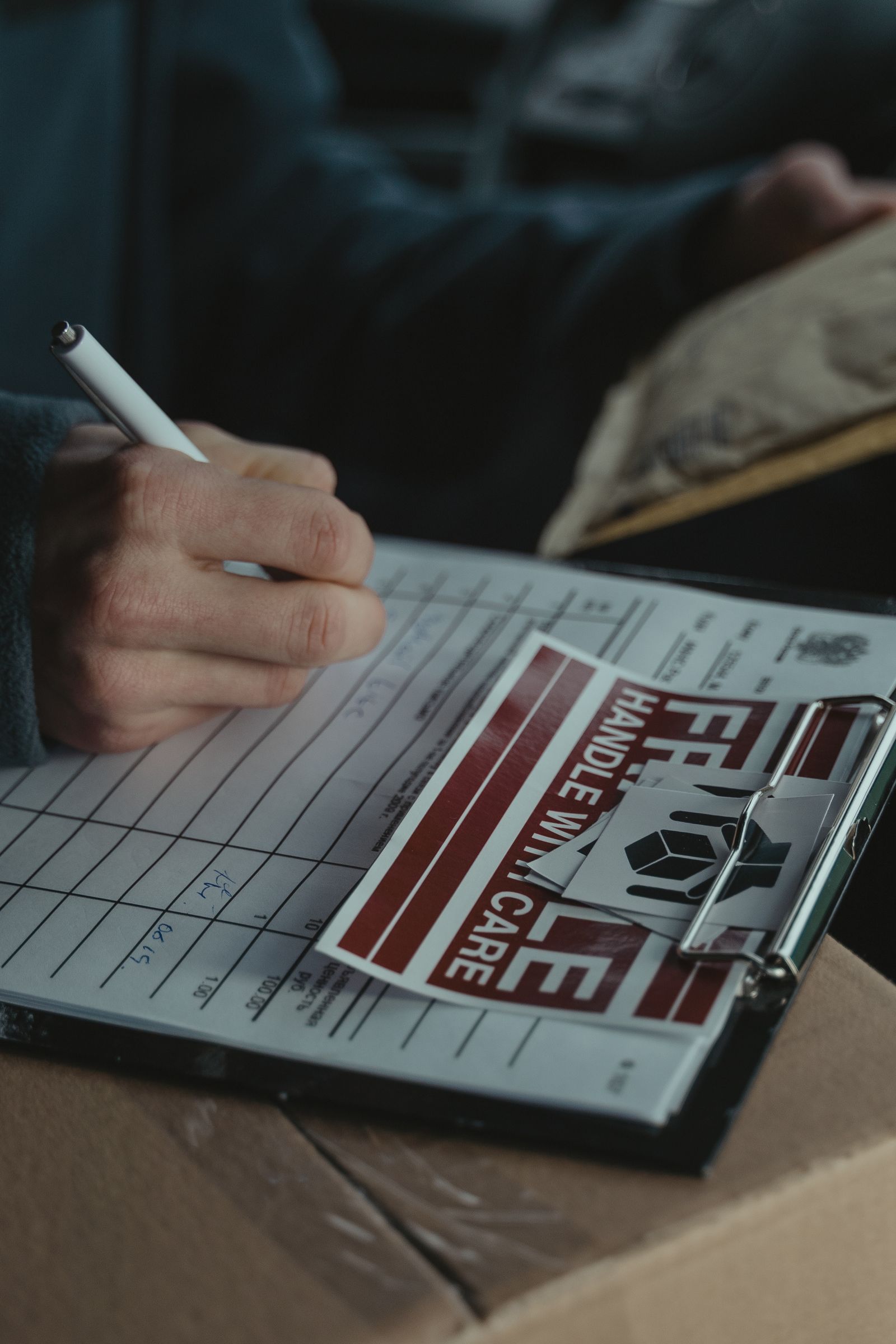
From Certificates to Evidence Chains: Why Manufacturing Traceability Is Becoming More Granular
Industrial procurement has long relied on documents: material certificates, inspection reports, declarations, audit reports and certificates of origin.