Industries We Support

Traceable Manufacturing Execution in China for Energy and Power Components

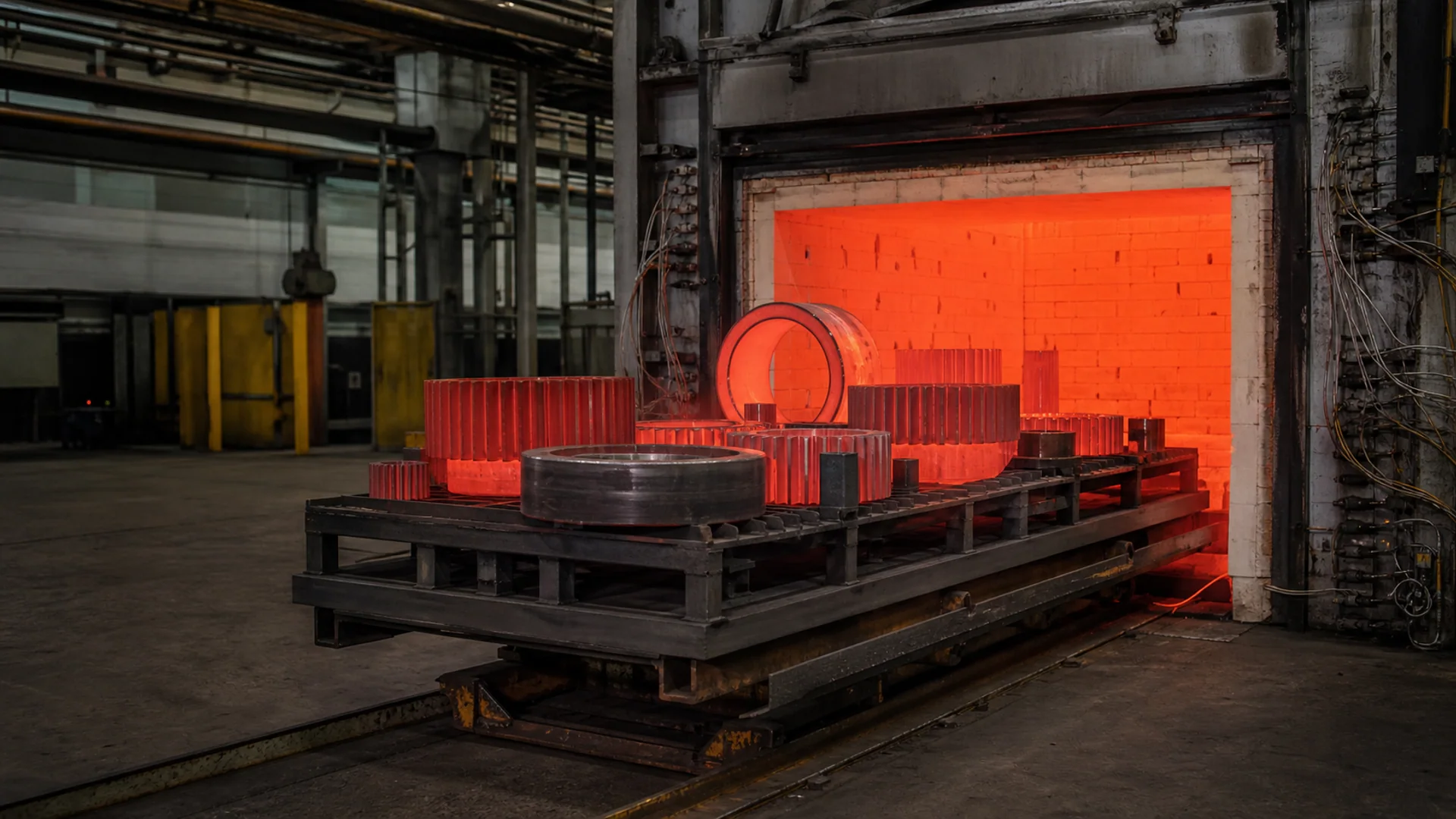
Energy and power components often combine material origin, casting or forging quality, heat treatment, machining, non-destructive testing and surface protection. Morning Sunlight establishes the required route and evidence before supplier commitment, then follows the approved basis through production and release. Certification, customer witness and third-party inspection requirements are confirmed before quotation. Supplier or inspection-body credentials are never presented as Morning Sunlight credentials. Our role is to keep technical decisions, supplier records, inspection results and release conditions connected throughout the China-side execution.

Traceable Manufacturing Execution in China for Energy and Power Components

Industries We Support

Typical Procurement Scope

Representative objects are shown below. Final scope is confirmed against the drawing, specification and application.

01Large shafts
02Forged rings
03Flanges
04Housings and bases
05Rotating components
06Pump and compressor parts
07Welded skids
08Precision-machined parts
09Heat-resistant parts
10Fasteners
11Cast and forged parts
12Multi-process components

Typical Manufacturing Route

Typical Manufacturing Route

The route is established before quotation so interfaces, evidence and responsibility do not become disconnected between suppliers.

  1. 01Material
  2. 02Casting or forging
  3. 03Rough machining
  4. 04Heat treatment
  5. 05NDT
  6. 06Finish machining
  7. 07Surface protection
  8. 08Final inspection
Energy & Power Equipment — Rough machining
Energy & Power Equipment — Critical Control Points

Critical Control Points

Critical Control Points

Controls are tied to the application. Each item states what is checked, why it matters and what evidence should remain available.

01

Material, heat and batch traceability

WhatMatch grade, specification, heat, batch and physical marking so documents remain tied to the actual component.

WhyA broken traceability chain prevents confirmation of material authenticity, affected batch scope and responsibility.

EvidenceMaterial certificates, heat lists, marking photographs, transfer records and traceability logs.

02

Casting and forging integrity

WhatInspect shrinkage, inclusions, cracks, laps and other discontinuities, including repair and acceptance criteria.

WhySurface or internal defects can propagate under pressure, rotation, fatigue or high loading.

EvidenceVisual and NDT records, defect maps, approved repair instructions and reinspection results.

03

Heat treatment and mechanical properties

WhatVerify treatment condition, process charts, specimen location and strength, toughness and hardness results.

WhyInsufficient or uneven properties can reduce load capacity, fatigue resistance or high-temperature performance.

EvidenceHeat-treatment batch records, charts, test reports, specimen traceability and retest records.

04

Critical dimensions and rotating interfaces

WhatCheck journals, flanges, sealing faces, concentricity, runout, fits and associated geometric tolerances.

WhyDeviation can cause vibration, leakage, bearing distress, assembly failure or reduced operating life.

EvidenceDimensional reports, CMM or dedicated-gauge records, runout readings and interface confirmations.

05

Non-destructive testing

WhatConfirm the method, area, coverage, sensitivity, acceptance standard and personnel qualification required.

WhyUnclear coverage or criteria can leave critical defects undetected or produce results that cannot be compared.

EvidenceInspection procedures, personnel qualifications, raw data, defect maps and signed reports.

06

Surface protection and unapproved substitution

WhatCheck pretreatment, corrosion-protection system, coating thickness and approval status of any material or process substitution.

WhyWeak protection accelerates corrosion; an unapproved substitution changes performance, life and compliance basis.

EvidenceSurface-treatment records, thickness results, material lists and written change approvals.


Work We Are Responsible For

Work We Are Responsible For

The sequence remains visible while the inspection depth, qualifications and evidence are defined for the actual project.

01

Requirement and Drawing Review

02

Supplier Search or Existing Supplier Assessment

03

Manufacturing Route and Quotation Review

04

Technical Clarification and Scope Confirmation

05

Sample or First-Article Verification

06

Production Milestone and Quality Execution

07

Nonconformance Handling and Corrective Action

08

Release Readiness and Delivery Preparation

Where This Model Fits

Suitable starting situations for this industry application.

  • Traceable critical mechanical parts
  • New-source or nominated-supplier execution
  • Projects requiring witness points or third-party inspection

What to Provide

Initial non-confidential information needed for a useful review.

  • Current drawing and revision status
  • Material, process and performance requirements
  • Expected quantity and repeat-order outlook
  • Target schedule and delivery destination
  • Known supplier, quotation or sample information
  • Inspection, documentation and qualification requirements

Qualifications and Responsibility Note

Certification, third-party inspection and customer-witness requirements must be confirmed before quotation. Morning Sunlight implements the agreed requirements but does not present supplier, laboratory or inspection-body qualifications as its own.

Start with the requirement, drawing or existing supplier.

We will review the manufacturing route, supplier situation, required evidence and responsibility boundary before confirming the working scope.

Submit Your Requirements